

The Best Diet for Perimenopause & Menopause: Evidence-Based Nutrition for Women Over 40


Introduction — why this matters now
Perimenopause and menopause bring real changes: shifting hormones, sleep disruption, lower muscle mass and bone density, and often a slower metabolism. After listening to a “Longevity Debate" podcast between leading women’s health experts (Dr Mary Claire Haver, Dr Vonda Wright, Dr Natalie Crawford and Dr Stacey Sims) it highlighted one clear point that all the experts agree on: nutrition must be tailored to a woman’s life stage to support strength, brain health, and longevity.
So here is a evidence-based, practical nutrition plan for women in their 40s, 50s, and beyond — with simple swaps and an easy “what to eat” day you can follow right away.
The big picture: priorities for perimenopause & menopause
Focus on four pillars:
Protein first — protect muscle and metabolism
Anti-inflammatory whole foods — support hormone function and recovery
Bone-supportive nutrients — calcium, vitamin D, and resistance training synergy
Practical, sustainable patterns — avoid extremes that stress hormones
1) Protein is non-negotiable (and likely higher than you think)
As oestrogen declines, women lose muscle mass more easily. Prioritising adequate protein helps preserve lean mass, boosts recovery from strength training, supports metabolic health, and improves body composition.
Target: ~1.2–1.6 g per kg of body weight per day (roughly 1.0–1.2 g per lb of ideal body weight) . Whole-food sources like eggs, oily fish, poultry, and dairy are ideal.
Quick tip: Start each meal with a palm-sized portion of protein — that simple habit raises daily intake and stabilises appetite.
2) Anti-inflammatory foods: the hormone helpers
Eat a variety of colourful vegetables, oily fish (for EPA/DHA), nuts, seeds, and extra virgin olive oil. These foods support hormone function, reduce inflammation, and may improve sleep and insulin sensitivity. Avoid highly processed foods, sugary snacks, and refined oils, which can exacerbate inflammation.
3) Bone health and metabolic protection
Women face disproportionate osteoporosis and hip-fracture risk as they age. Nutrition plus resistance training is the strongest defence. Make sure you get adequate calcium (from dairy or fortified alternatives), vitamin D (check levels with your GP), and eat protein to support bone remodeling. Combined with weight-bearing and resistance exercise, these strategies protect bone and functional independence.
4) HRT — what it can do and why to talk to your GP
Hormone replacement therapy (HRT) can benefit some women during perimenopause and menopause by:
Reducing hot flushes and night sweats
Supporting bone density and reducing fracture risk
Helping maintain muscle mass and metabolic health
Important: HRT isn’t for everyone. Discuss options with your GP or menopause specialist to see if it’s appropriate for you.
5) Fasting, keto, juice cleanses and detoxes — what they are and what to know
Intermittent fasting (IF): Skipping breakfast or restricting eating windows to promote calorie reduction. Dr. Stacey Sims warns that women can be more sensitive to energy restriction, which can raise cortisol and stress the body — especially during perimenopause. She recommends eating breakfast to support natural morning cortisol rhythms. What I recommend instead is a 'Fasting Window', allowing 12 hours between your evening meal and breakfast the next day.
Keto / very-low-carb: Reducing carbs dramatically, sometimes to <50 g/day, to shift metabolism into fat-burning. Some women find short-term benefits, but long-term effects on hormones and bone health require caution.
Juice cleanses / detoxes: Drinking only fruit/vegetable juices for short-term “detox” purposes. Often calorie- and protein-deficient, which can stress the body, especially in midlife.
Takeaway: These approaches are not generally recommended for midlife women. Focus on whole, balanced meals with protein, vegetables, healthy fats, and moderate carbs from a variety of berries and veggies.
6) Supplements worth considering (with your GP)
Creatine (3–5 g/day): Improves muscle mass, strength, and may support bone and cognitive health — particularly relevant for postmenopausal women.
Omega-3 (EPA/DHA): Reduces inflammation and supports heart and brain health.
Vitamin D & calcium: Essential for bone health — check levels and supplement if needed.
Always: Discuss with your GP before starting supplements, especially if you have underlying health conditions.
7) Food patterns that actually work (practical templates)
Daily template: Protein at each meal + 2–3 fistfuls of veg daily + 1–2 portions of oily fish per week + nuts/seeds + complex carbs from vegetables and legumes
Avoid: Repeated juice cleanses, very-low-calorie “detoxes,” or extreme fad diets.
Sample day: Practical, menopause-friendly eating
Breakfast: Omelette (2 eggs) with smoked salmon and spinach.
Snack: Greek yoghurt with walnuts and berries
Lunch: Salad with grilled chicken, seeds, nuts, and olive oil dressing
Snack: Apple + small handful of almonds
Dinner: Baked seabass with green vegetables and cauliflour mash.
Actionable 7-point checklist to start this week
Increase protein — add 20–30 g protein per meal (~1.0–1.2 g per lb of ideal body weight/day)
Eat plenty of vegetables and healthy fats
Include resistance training 2–3x per week
Limit juice cleanses and very-low-calorie “detoxes”
Start a 'Fasting Window' with 12 hours between your evening meal and breakfast the next day
Consider creatine (3–5 g/day) if appropriate — check with GP
Check vitamin D levels and discuss bone protection/HRT with your doctor
Common questions (quick answers)
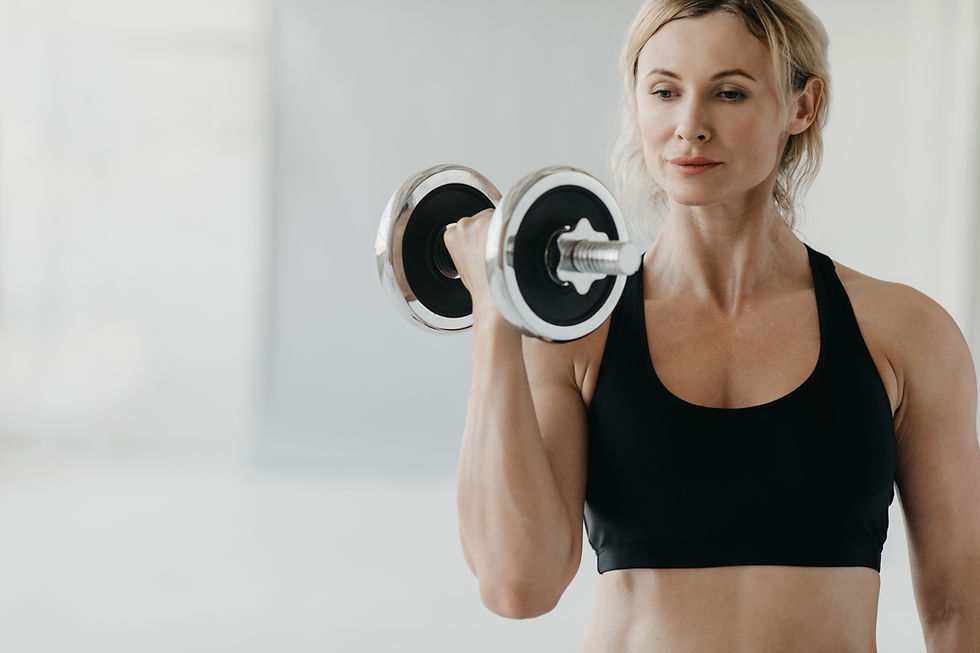
Q: Will I get bulky if I lift heavy weights?A: No — women generally don’t produce enough testosterone to get bulky naturally. Lifting heavy weights builds strength, preserves muscle, supports metabolism, and protects bones.
Q: Is fasting dangerous in menopause?A: It’s not “dangerous,” but it can increase cortisol, stress the body, and disrupt energy levels for midlife-women . Eating breakfast and balanced meals is far more supportive of hormonal balance and performance.
Final thoughts on the best diet for perimenopause and menopause - and next steps
Nutrition in perimenopause and menopause isn’t about strict rules or extreme diets — it’s about prioritising protein, whole anti-inflammatory foods, bone-supportive nutrients, and sustainable patterns that work with your body. When paired with resistance training, this approach helps preserve muscle, bone, metabolism, and overall vitality.
If you would like a 6 week workout plan with a clear nutrition plan and recipes to follow, then join one of my 6 week challenges to kickstart your new health regime!


Comments