

Strong Bones for Life: What Every Woman Over 40 Needs to Know

If you’ve ever worried about thinning bones or heard someone mention osteoporosis and thought “That won’t happen to me,” it’s time to think again. The truth is, bone health isn’t just about avoiding fractures later in life — it’s about staying strong, mobile, and independent well into our later years.
In his Future Proof Your Body podcast, Dr Rangan Chatterjee sat down with consultant orthopaedic surgeon Dr Wanda Wright for a deep dive into what really keeps our bones healthy as we age. Their conversation uncovered some surprising facts — and practical steps we can all take to protect our bones starting right now.
Why Bone Health Matters More Than You Think
Bones aren’t static. They’re living tissue that’s constantly breaking down and rebuilding. Up until around age 30, we’re still building bone density — but after that, the balance shifts. We start losing bone faster than we make it.
For women, this process speeds up dramatically around menopause. Falling oestrogen levels cause bone loss to accelerate, making midlife a critical window for prevention. According to Dr Wright, women can lose up to 20 % of their bone density in the five to seven years after menopause.
That means the choices we make in our 40s, 50s, and beyond play a huge role in whether we stay strong and upright — or risk fractures, pain, and a loss of independence later on.
Myth #1: Bone Problems Are an “Old Person’s Issue”
Dr Wright made one thing crystal clear: Bone health starts decades before you feel any symptoms. Osteoporosis is often called the “silent thief” because you can’t feel your bones weakening until it’s too late.
But the good news? It’s never too late to start strengthening your skeleton. Even if you’re already postmenopausal, lifestyle changes — especially around exercise, diet, and recovery — can make a measurable difference.
Before we dive into what you can do to support your bones, it’s worth knowing where you’re starting from.
If you’re wondering whether a bone density (DEXA) scan is worth doing, Dr Wright recommends it for anyone at higher risk — that includes women who are postmenopausal, have had a previous fracture, have a family history of osteoporosis, or have taken long-term steroid medication. It’s also worth considering if you’re naturally small-framed, have gone through early menopause, or have had significant weight loss, as all of these can increase bone loss risk. A simple scan can provide a baseline and peace of mind — or an early nudge to take action.
Once you know your baseline, it’s time to focus on the daily habits that keep your bones strong for the decades ahead.
The Movement Prescription: Why Strength Training Is Non-Negotiable
If there’s one takeaway from Dr Wright’s message, it’s this: your bones respond to load. Just like muscles, bones get stronger when you challenge them.
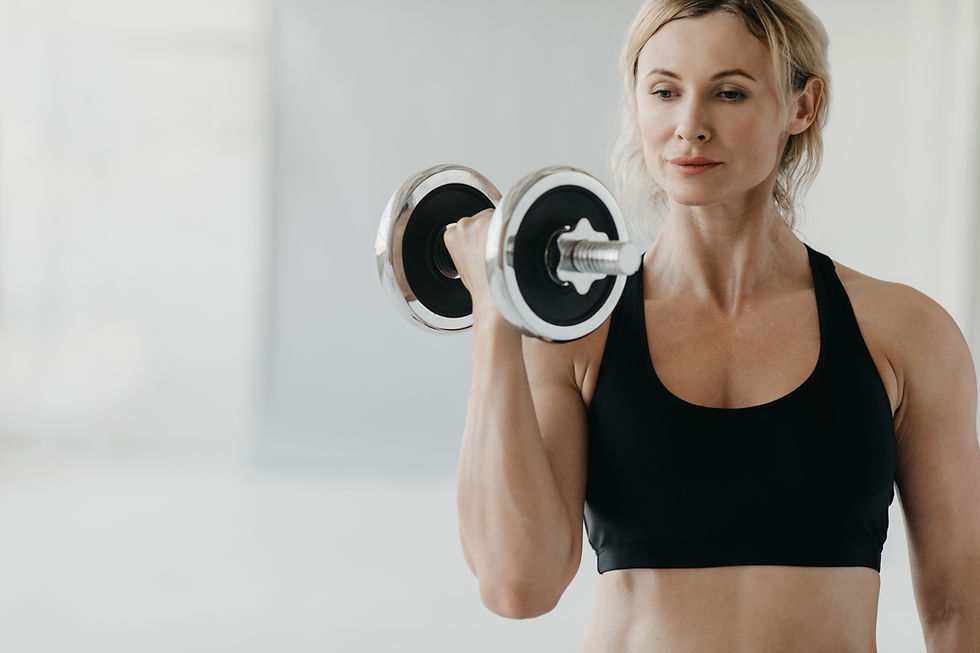
That means regular strength training — lifting weights, using resistance bands, or even bodyweight moves — is essential. The key is to apply enough force that the bones have to adapt. Think progressive overload: gradually increasing the weight, reps, or intensity over time.
Dr Wright also highlighted the benefits of impact-based exercise. That doesn’t have to mean running marathons; skipping, jumping, dancing, or even hiking on uneven ground can all help stimulate bone formation.
As I always remind my clients: use it or lose it. If we stop challenging our bodies, we lose strength — not just in muscles but in the very structure that supports them.
Myth #2: Walking Is Enough for Bone Health
Walking is wonderful for heart health and mental wellbeing — but on its own, it’s not enough to prevent bone loss.
Dr Wright explained that walking keeps existing bone tissue healthy but doesn’t provide the loading stimulus needed to build new bone. For that, we need resistance and impact.
So if you’re already walking daily (amazing!), think of that as your foundation. Then layer in two to three sessions per week of resistance training — even short 30-minute dumbbell workouts can make a huge difference.
Fuel Your Framework: Nutrition for Strong Bones
Building bone is about more than calcium. In fact, Dr Wright noted that taking calcium supplements alone won’t do much if your diet and lifestyle aren’t supporting overall bone metabolism.
Here’s what really matters:
Calcium — still essential, but best from food sources like sardines, leafy greens, almonds, and dairy (if tolerated).
Vitamin D — crucial for calcium absorption. Many of us in the UK are low, especially in winter. A simple blood test can tell you where you stand.
Protein — often overlooked, but vital for bone matrix strength. Studies show higher protein intake supports bone repair and reduces fracture risk.
Magnesium, zinc, and vitamin K2 — help shuttle calcium into the bones where it belongs rather than letting it settle in arteries or soft tissue.
Antioxidants — from colourful fruits and veggies, these reduce inflammation that can accelerate bone breakdown.
A well-rounded, anti-inflammatory diet — rich in vegetables, nuts, seeds, lean protein, and omega-3 fats — supports not only bones but also joints, hormones, and heart health.
Myth #3: Supplements Are the Magic Fix
Supplements can help fill gaps, but they can’t replace movement, sleep, and whole food nutrition.
As Dr Wright said, “You can’t out-supplement inactivity.” Bones need the mechanical stimulus from movement first — then nutrients provide the building blocks for repair and growth.
If you do take supplements, it’s worth getting tested first rather than guessing. Over-supplementation (especially with calcium) can actually cause harm if not balanced with magnesium and vitamin K2.
If you are looking for clean, transparent supplements then I highly recommend LiveGood (link below) Always check labels and make sure that your supplement comes with a certificate of analysis, so you know exactly what you are putting into your body and that it's been tested for heavy metals and other impurities.
The Hidden Role of Sleep and Stress
One of the most fascinating parts of the podcast was Dr Chatterjee and Dr Wright’s discussion about how stress and poor sleep affect bone health.
When cortisol (our stress hormone) stays high for long periods, it interferes with bone formation. Likewise, lack of deep sleep — when growth and repair processes occur — reduces the body’s ability to rebuild bone tissue.
So, looking after your bones also means looking after your nervous system.Try:
Prioritising 7–8 hours of restorative sleep.
Practising deep breathing or mindfulness to lower cortisol.
Spending time outdoors, especially in morning light, to regulate your circadian rhythm.
Myth #4: Once You’ve Lost Bone, It’s Gone for Good
This is one of the biggest myths Dr Wright wants to dispel. Yes, we naturally lose some bone with age — but we can also slow, stop, or even reverse that process.
Research shows that women who lift weights and increase their protein intake can regain bone density, even in their 60s and 70s. That’s empowering!
It means you’re never “too late” to start. Every workout, every good night’s sleep, every nutritious meal is a deposit into your “bone bank.”
Putting It All Together: A Midlife Bone-Strengthening Blueprint
Here’s how you can apply these insights starting today:
Lift weights two to three times per week. Focus on major muscle groups — legs, hips, back, and arms — with progressive resistance.
Add impact — a few minutes of skipping, hopping, or dancing can do wonders.
Eat a protein-rich, anti-inflammatory diet with plenty of colourful plants and healthy fats.
Check your vitamin D levels — supplement if needed, especially in winter.
Manage stress and prioritise quality sleep.
Stay consistent. Bone health is built through habits, not quick fixes.
The Takeaway for Strong Bones For Life:
Dr Wright summed it up beautifully: “We build strong bones the same way we build a strong life — through consistent action.”
As women, we spend years taking care of everyone else. But investing in your own strength — inside and out — is the most powerful act of self-care there is.
So, if you haven’t yet picked up those dumbbells or booked that bone density scan, this is your nudge.
Your future self will thank you.
Jen x
PS. If you need help getting started with using weights then join one of my 6 week programmes- start anytime that suits you and have me as your coach and guide.


Comments