

What Weight Dumbbells Should I Use? A Guide for Women Over 40
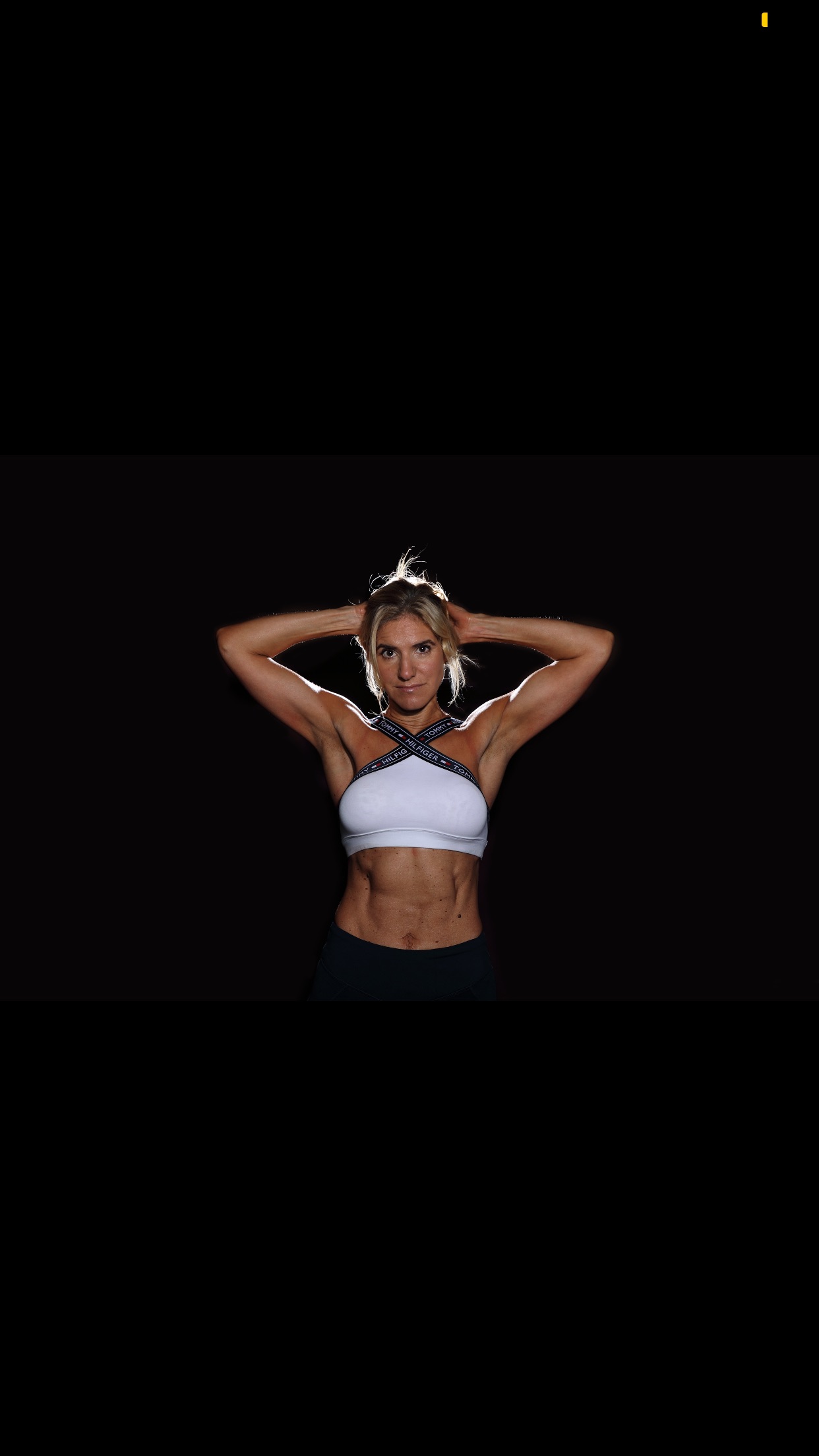

“What weight dumbbells should I use?” It’s one of the questions I’m asked most often, especially by women starting strength training at home or wondering whether it’s time to go heavier.
This comes up a lot in our group, and I completely understand why. You’re following the workout, you’ve got your dumbbells ready, but how do you know whether they’re actually heavy enough? And when should you move up?
There isn’t a particular number I can give everyone. What I can give you is a way to judge it for yourself, so you can feel more confident about the weights you choose.
What weight dumbbells should I use for my workout?
The right weight depends on the exercise, your current strength and which set you’re doing.
There are several ways to organise your sets and progress your weights. Here’s the approach we use in my live strength workouts, so you can apply it when you train with me.
Set one: your warm-up set
Choose a weight you can control for 10–12 repetitions, finishing with around four or five more good repetitions in the tank.
This set gives you a chance to practise the movement and get a feel for how your body is doing that day. It shouldn’t leave you struggling to finish. This is your warm-up set for that exercise, following your general workout warm-up.
Set two: your first working set
Increase the weight to one that makes 10–12 repetitions feel properly challenging.
When I say “you can do them, but only just”, I mean those final repetitions need effort and concentration while you still maintain good technique. You shouldn’t need to swing the weights, rush or change the movement to finish.
Set three: let your second set guide you
If you completed 10–12 repetitions comfortably in your second set, try going up a small amount for your final set.
With that increase, you might manage six to eight controlled repetitions. That’s absolutely fine. Keep your technique consistent and stop when you can no longer complete another good repetition.
If 10–12 repetitions were already a real challenge in your second set, keep the same weight for your third set. You don’t have to increase it. Fatigue may mean you manage fewer repetitions this time, so let good form guide when you stop.
And if your technique was breaking down in set two, reduce the weight rather than carrying that through to set three.
Muscular effort and pain are different things. Stop if a movement causes sharp pain or joint pain, and let me know so we can look at it.
Should I use different weights for different exercises?
The weight you use for a squat won’t necessarily suit a shoulder press or a tricep exercise.
You may be able to handle considerably more resistance in a squat or Romanian deadlift than in a shoulder exercise. That’s completely normal. Choose your weight for the exercise in front of you, rather than trying to use the same pair for the whole workout.
The same applies when you’re following me live. My weights are a reference for what I’m doing. Your job is to choose the resistance that challenges you while allowing you to follow the movement properly.
If you’re learning an exercise, give yourself time to get comfortable with it before increasing the load.
How do I know when to increase my weights?
Your choice of weight for the final set comes from how your first working set felt. Your progress over the weeks comes from gradually being able to do more with good technique.
That’s progressive overload: increasing the demands on your muscles as they adapt. It might mean using a heavier weight for your working sets, or completing more controlled repetitions with the weight you already have.
For example, you might initially manage six good repetitions with the heavier weight in your final set. Over the next few sessions, that could become seven, then eight. As that weight becomes more manageable, it may eventually become suitable for your first working set too.
There’s no need to force an increase every session or move everything up at once. Keep a quick note of the weight and repetitions for each set. That will help you see your progress and make your next choice.
Are adjustable dumbbells worth buying for home workouts?
I appreciate that buying several pairs of dumbbells can get expensive, especially as you get stronger.
One option worth considering is the screw-on, screw-off style, often called spinlock dumbbells, available from places such as Argos. You add or remove plates to change the weight, giving you several options from one set.
Yes, changing the plates can be a bit of a pain! But when you’re doing sets with a rest between them, you can use some of that time to make the adjustment.
Around one to two minutes between sets can be a useful starting point for many of these workouts. After a particularly demanding or heavier set, you may need two to three minutes or longer. Give yourself enough recovery to perform the next set well.
Changing plates won’t always fit neatly into a short transition during a timed live workout. Pause the replay or take the extra time you need. Always check the collars are secure before you lift.
If you have more to invest, selector-style adjustable dumbbells, such as the SelectaBell ones I use or similar options from other brands, make changing weight quicker. They can also save space.
Before buying either type, check the smallest weight increase and the maximum weight per dumbbell. A set advertised as 20kg may mean the combined weight of the pair. Choose something that suits you now and gives you room to progress.
Make your next workout a useful check-in
At your next session, pay attention to the end of each set. Could you comfortably do lots more? Are you working hard while keeping control? Or is the weight making your technique fall apart?
That tells us far more than simply looking at the number on the dumbbell.
For us as women in our 40s, 50s and beyond, building and maintaining strength is well worth making time for. Give yourself the opportunity to progress, even if that means trying a weight you’ve been a little hesitant to pick up.
And if you’re unsure, pop a message in the group with the exercise, the weight you’re using and how those last few repetitions feel. That gives me something useful to help you with.
Jen x


Comments